

Air pollution is a global problem, with nearly seven million people dying annually from diseases attributable to breathing polluted air, according to the World Health Organization (WHO).
Beyond human health impacts, air pollution results in enormous welfare losses estimated at over $8 trillion annually and causes significant environmental damage.
The Ministry of Ecology, Environmental Protection, and Climate Change of Uzbekistan, the World Bank, and the United Nations Environment Programme (UNEP) co-organized the first High-Level Central Asia Policy Dialogue, UzA reported.
The event, held under the slogan “Building a Clean Air Future in Central Asia”, aimed to advance harmonized regional action and knowledge exchange to prevent air pollution.
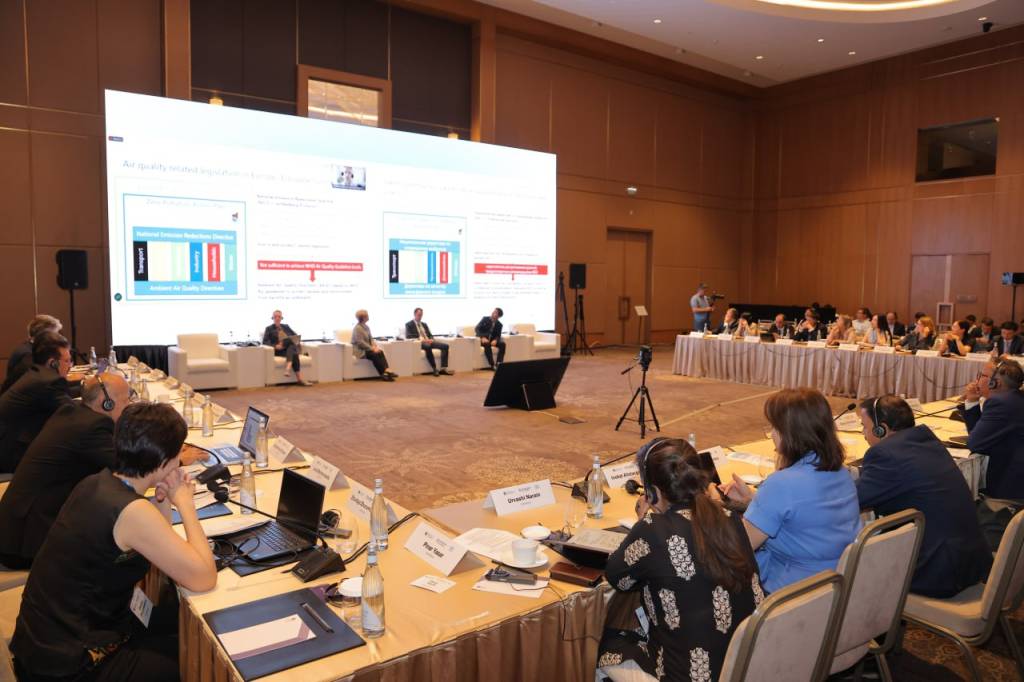
Senior government officials from Kazakhstan, the Kyrgyz Republic, Tajikistan, Turkmenistan, and Uzbekistan attended the dialogue. It was noted that most air quality-related diseases and premature deaths in the region are linked to particulate matter 2.5 microns or less in diameter (PM2.5). Concentrations of this pollutant in major Central Asian cities frequently exceed the WHO Ambient Air Quality Guidelines multiple times, especially in winter, when the heating sector operates intensively. According to IQAir, Central Asian cities often rank among the world’s most polluted.
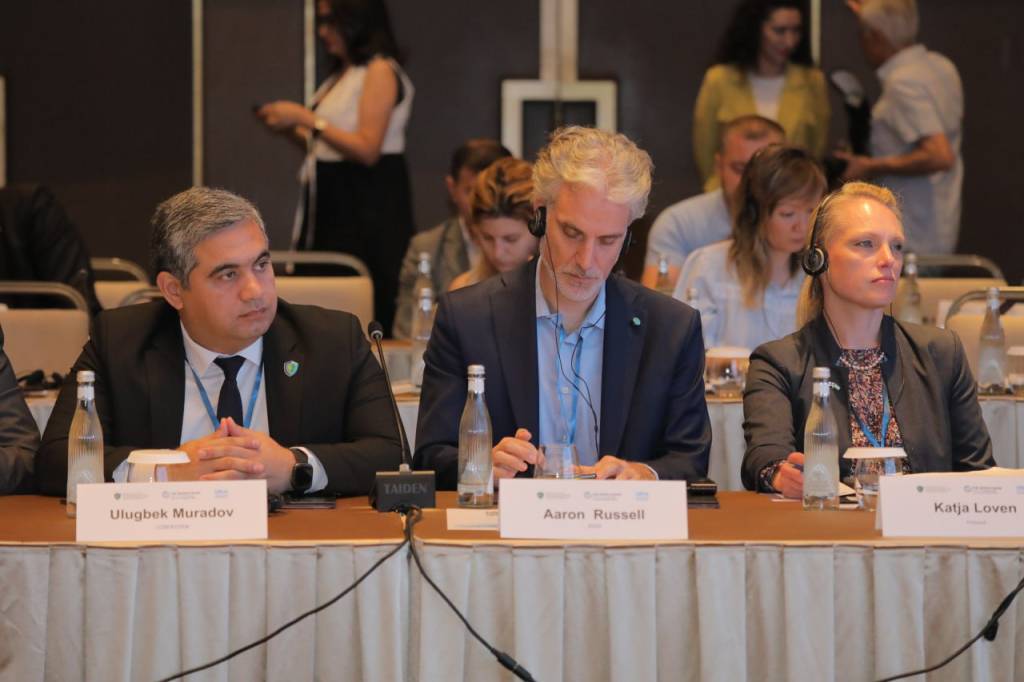
According to the World Bank report on Air Quality Assessment in Tashkent city and the roadmap for improving air quality management in Uzbekistan, healthcare costs aimed at reducing PM2.5 air pollution range from 5.1 to 7.3 percent of the GDP of Central Asian countries.
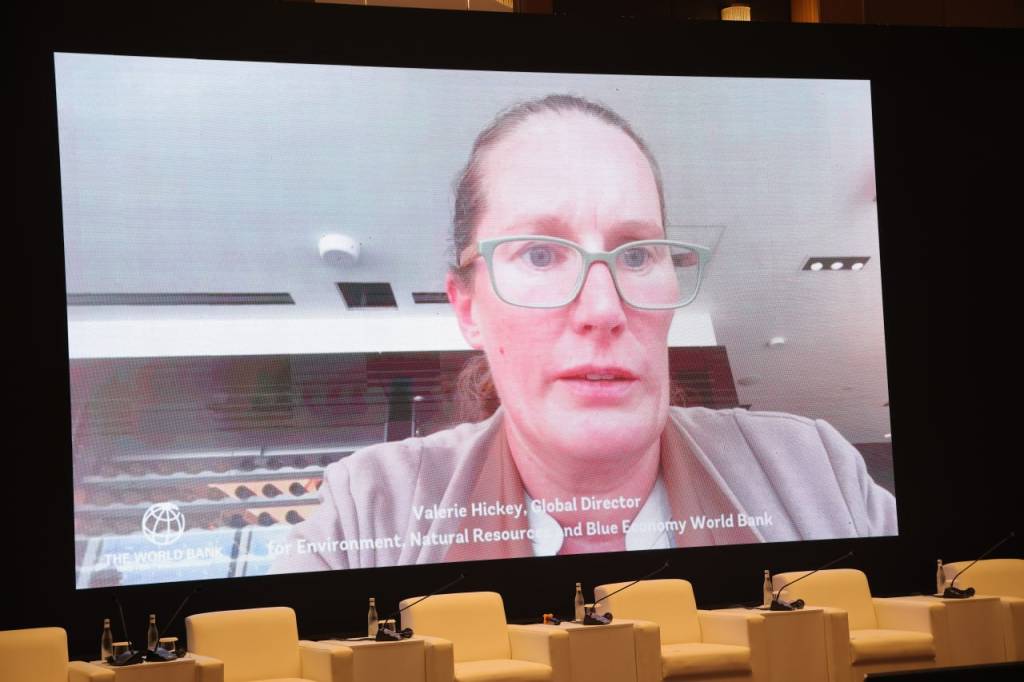
The event participants reviewed AQM policies and practices to prevent air pollution in their countries, explored data-sharing methodologies and their implications, and identified priority areas for accelerated regional collaboration in air quality management.
It was noted that adopting health-based air quality standards, implementing comprehensive air quality management strategies and policies, deploying advanced air pollution forecasting tools, and fostering regional cooperation to tackle local and transboundary pollution are ways by which Central Asian countries can achieve their common development goals.